


Bullet Journal - What is it?
A Bullet Journal – or BuJo as it is often called – is like combining a calendar, a diary, a to-do list and a sketchbook in one notebook. It is both a planning method and a creative free zone. A place where you can organize your life, structure your thoughts and let your imagination run wild. You can use it to keep track of everyday chores, goals, habits, moods, dreams – well, everything.
For me, Bullet Journaling became a lifeline when everyday life felt messy. I needed structure, but I didn’t want to get stuck in a rigid system. I wanted a place where I could store all the thoughts and ideas running through my head and have an overview of my life at the same time – without having to choose one over the other. That became my solution. And I am far from alone.
Some background: How did it all start?
The Bullet Journal method was created by Ryder Carroll, a digital product designer from New York, who himself had trouble focusing and keeping his life organized. He needed a system that was simple, flexible and customizable – and that became the basis for Bullet Journal.
He launched the idea in 2013, probably thinking it would help a few. But the world exploded in dotted pages, symbols and lists. The method quickly gained a devoted following, and what was initially a fairly stripped-down technique of dots and symbols – eventually became a whole movement. Many have since made it their own: some minimalist, others maxed out with color, art and stickers. I personally run mine according to the motto “fast and ugly” – I don’t spend a lot of time on writing nicely or illustrating, but more on the function. But if you want to take the opportunity to practice your drawing or writing daily, your Bullet Journal is a great tool. Just make sure you don’t spend too much time illustrating it, or you’ll easily give up.
But to summarize: Bullet Journaling started as a tool, and got a lot of people drawing and writing more in the process.
What makes BuJo so magical…
is that you decide exactly what it should look like and what it should contain. There are no rules, only suggestions. Just want to use lists? Go for it. Want to draw, color, decorate with stickers and washi tape? Do it! It’s your book. Your system. Your way. A bullet journal often uses dots, symbols and colours to categorize and prioritize tasks. By creating different sections for to-do lists, monthly calendars and daily tasks, you can easily see what needs to be done and perhaps the most important. When. In addition, bullet journaling can include doodling and lettering, creating little islands of creative practice in everyday life, which is just what you need if you want to be able to relax a little more often and at the same time get better at lettering or drawing, while getting a better overview and structure of your life. Win win.
Frequently asked questions about Bullet Journaling
Is Bullet Journaling the same as a regular calendar?
Well, not really. It’s a calendar, diary and creative space in one – completely tailored to your needs.
What do I need to get started?
A pad, a Pen, and a willingness to try. It goes a long way – but with the right tools, it’s so much more fun.
Does it have to look nice?
No! It can be ugly and messy. The main thing is that it works for you.
Products to get started with a Bullet Journal




How to get started - 6 simple tips for beginners:
Choose a notebook and Pen you like.
A Bullet Journal doesn’t have to be fancy – the important thing is that you like using it.Start with the basics: an index page and a monthly log.
Create a table of contents (index) at the front and then start with a monthly calendar where you can get an overview.Try the classic BuJo structure:
Future log (future planning), Monthly log (monthly overview) and Daily log (daily tasks).Use simple symbols:
● for task, ✖ for done, → for moved. You can create your own symbols – the important thing is that they work for you.Make room for the creative:
Post pages for ideas, lists, goals, mood tracking, gratitude or inspiration. There are no rules here.Remember, it doesn’t have to be pretty.
The most important thing is that you use your BuJo. It’s for you – not for Instagram.
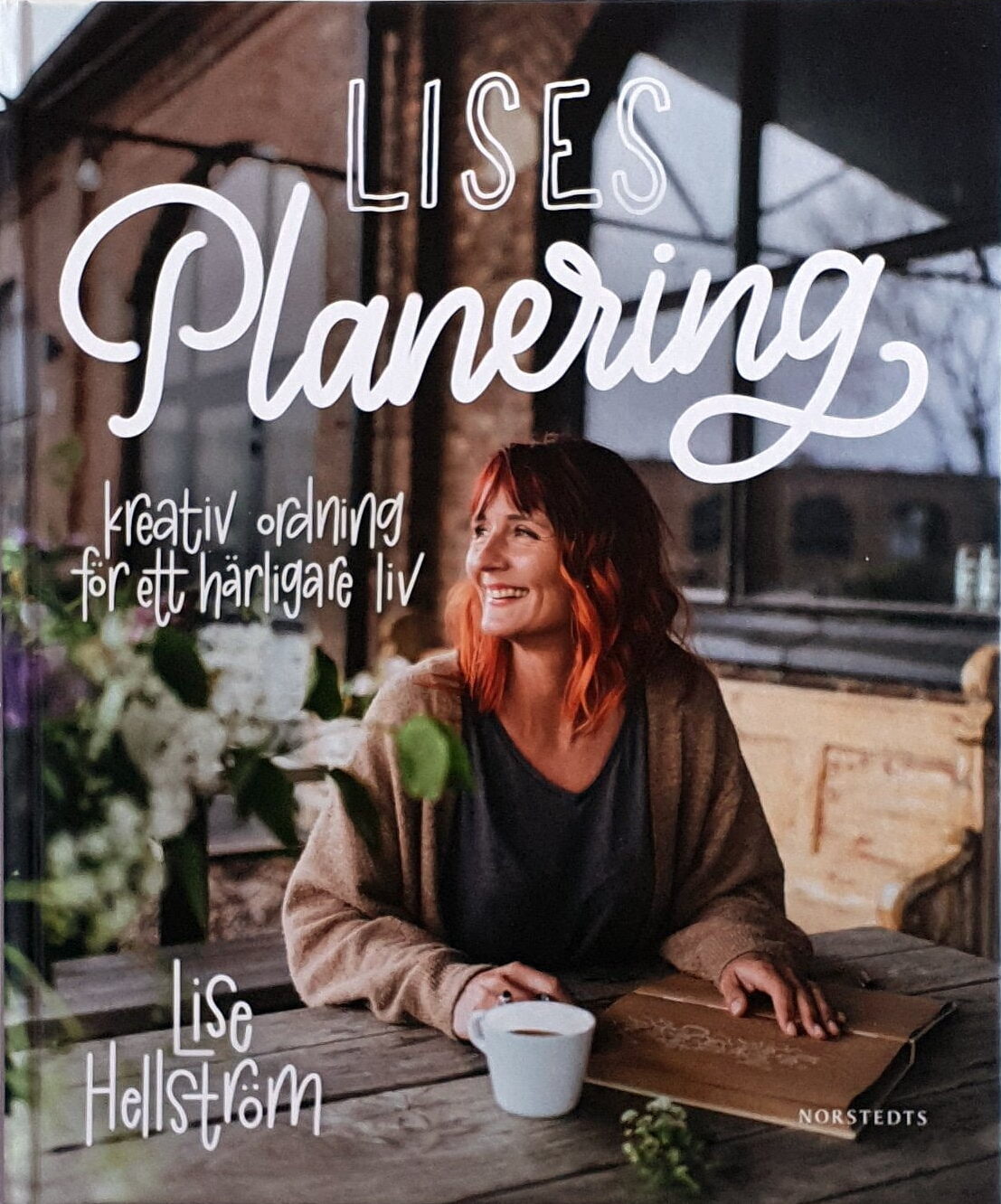
If you want help getting started, there are free templates to print, online guides and ready-made starter packs to buy – but basically it comes down to something very simple: you, a Pen and some blank pages. I’ve put together a starter kit for those who want to get started quickly, called Plan More Baby. In that kit you get Pen, a notebook and my book on planning. Lises Planning